
Product Catalogue · 01 / 05
Overhead Bridge Cranes
Single and double girder bridge crane systems for in-plant and warehouse handling.
- 1–100 t capacity
- Electric / manual control
- Custom design options
Overview
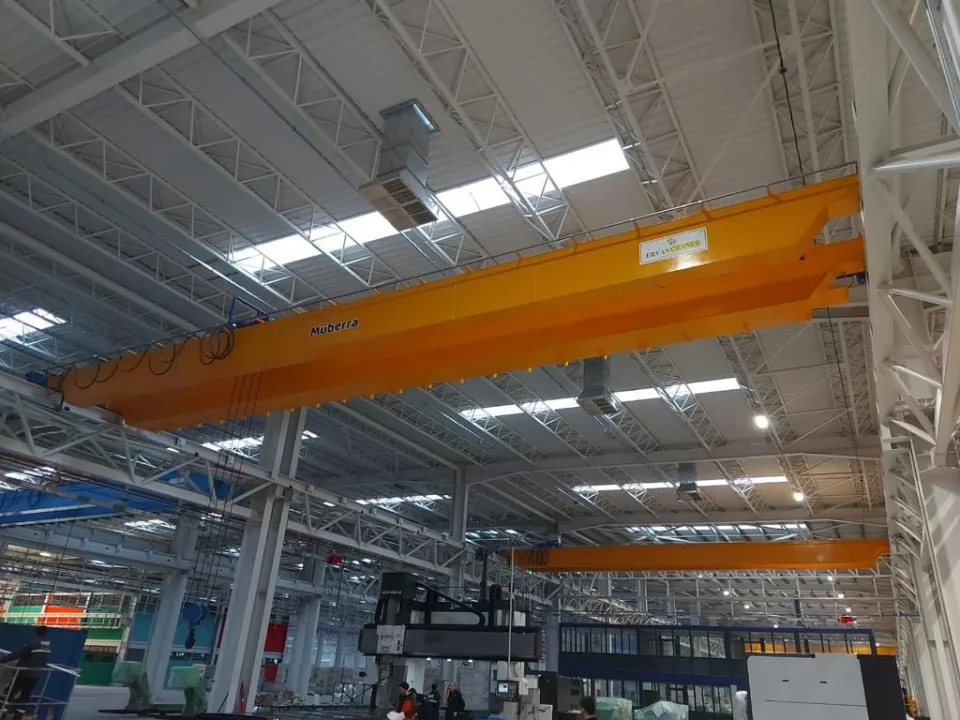
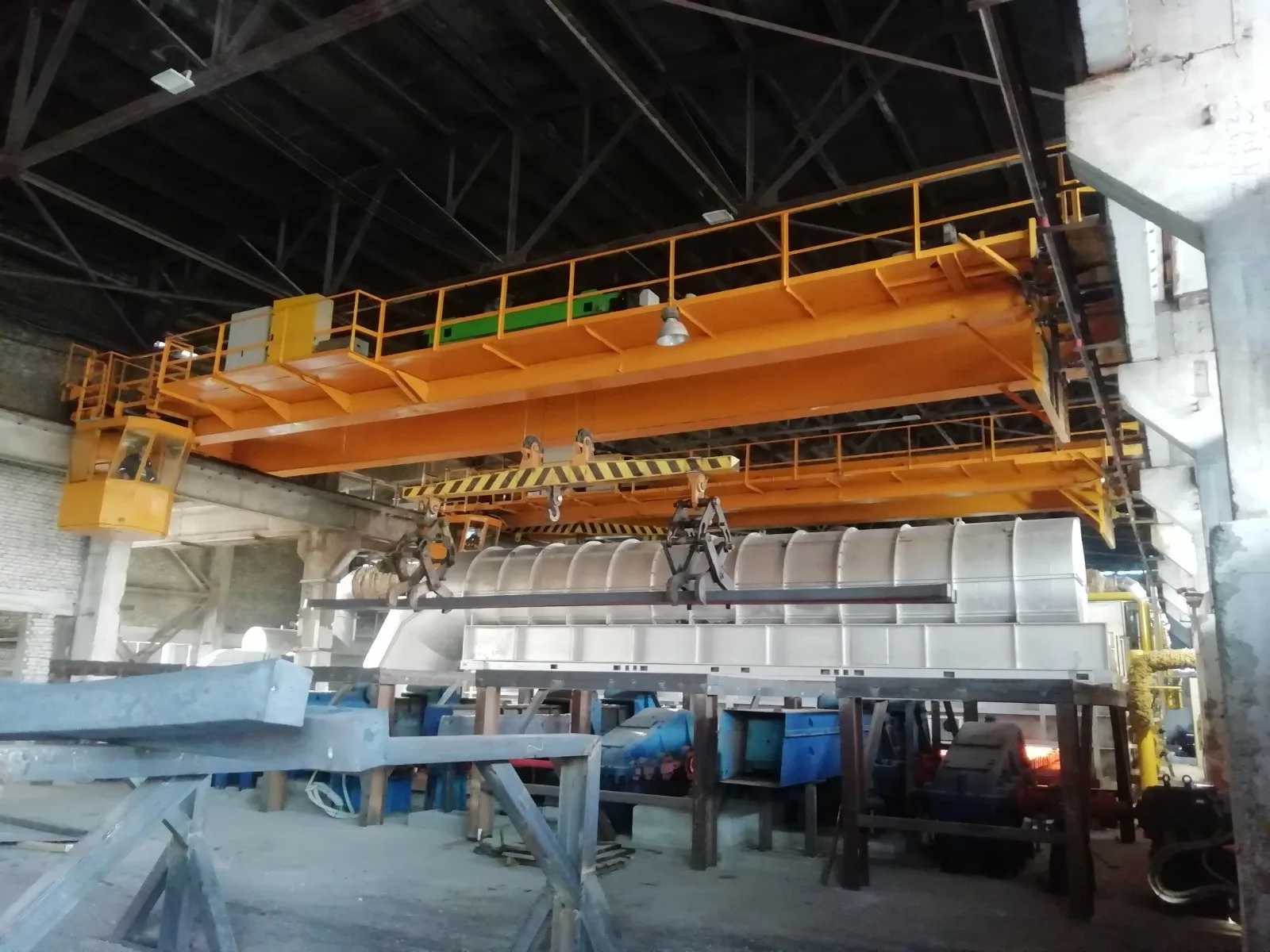
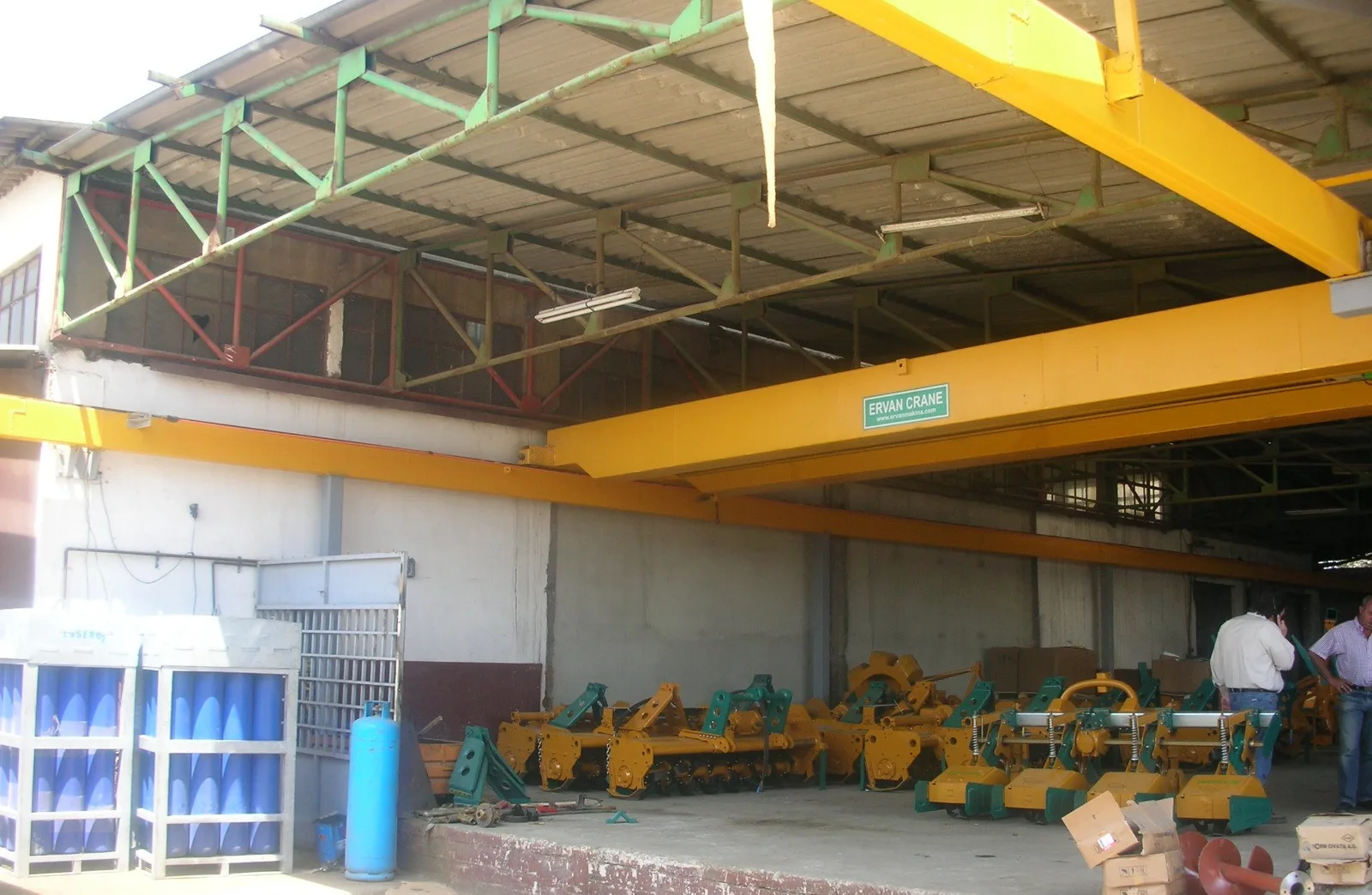
Overhead bridge cranes move loads along the girder and the length of the building inside factories and warehouses. Ervan Cranes engineers single and double girder cranes by load, span and duty class, manufactures them at the Torbalı facility and commissions them on site.
Applications
- General manufacturing
- Steel service centres
- Warehousing and logistics
- Machinery manufacturing
- Maintenance workshops
Technical Specifications
| Lifting capacity | 1–100 t |
|---|---|
| Span | Determined per project |
| Lifting height | Determined per project |
| Duty class | Determined per project |
| Hoisting speed | Determined per project |
| Travel system | Determined per project |
| Control options | Electric / manual |
| Operating environment | Indoor; outdoor by project |
Engineering Advantages
- 01
Single or double girder: economical single girder for light loads, double girder for heavy loads and high duty classes.
- 02
Building-integrated design: engineered to the existing runway and column structure.
- 03
One team end to end: design, production, installation and commissioning.
Gallery


Frequently Asked Questions
01 What is an overhead bridge crane?
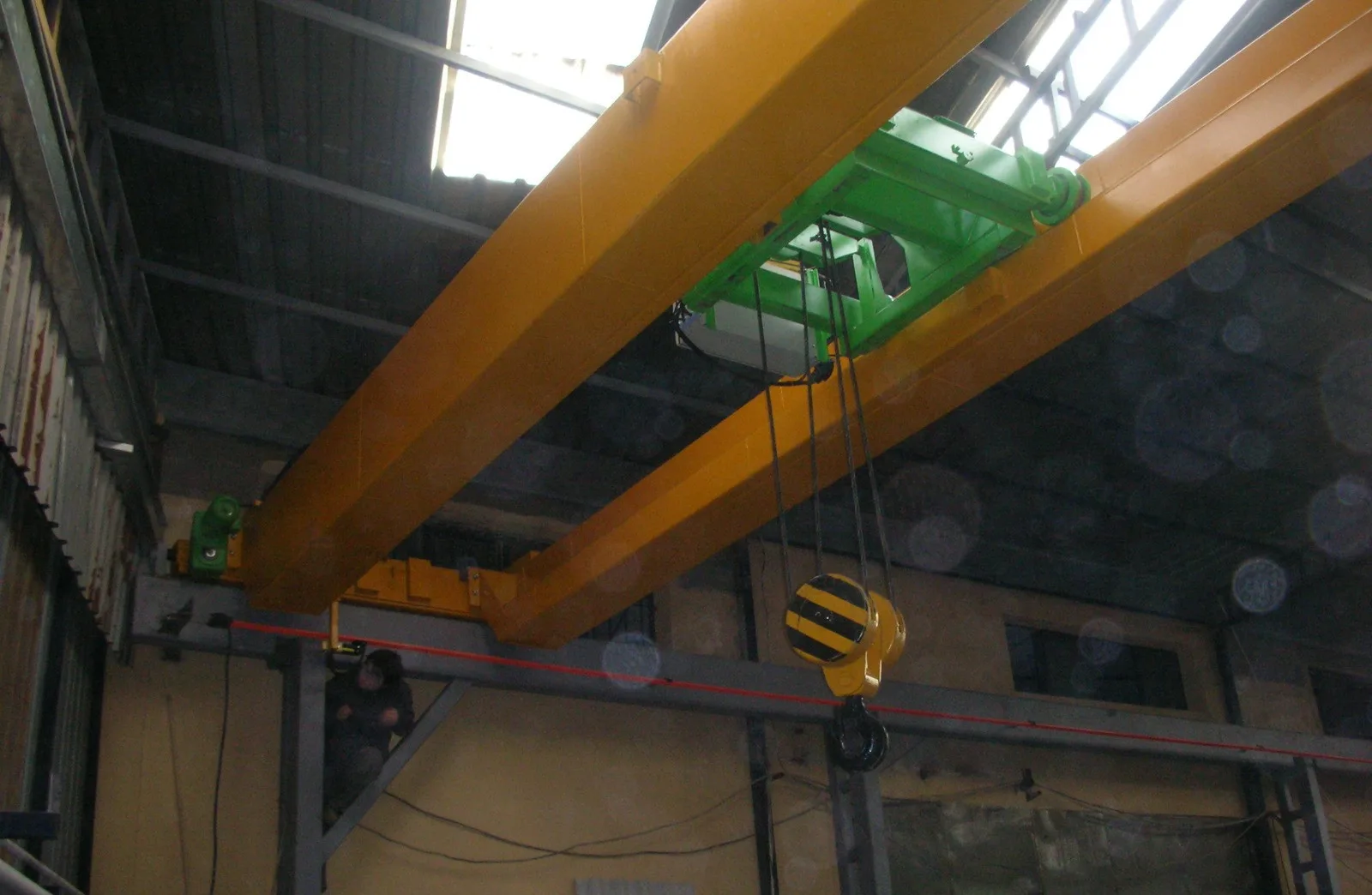
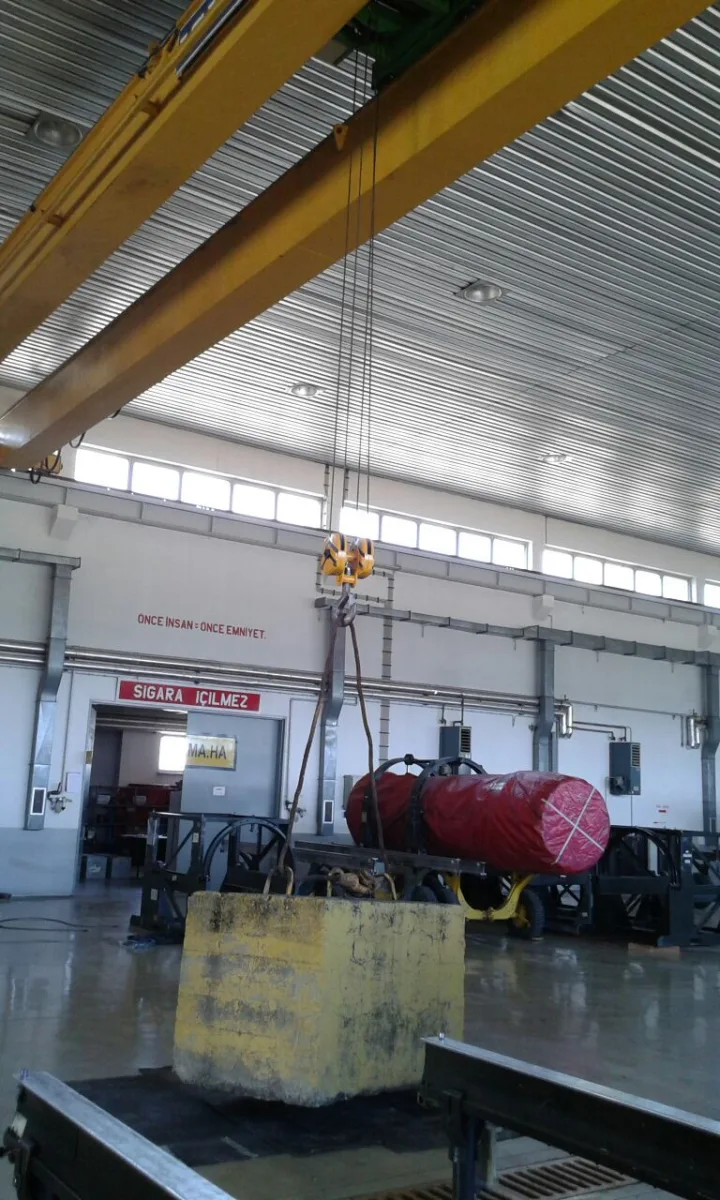
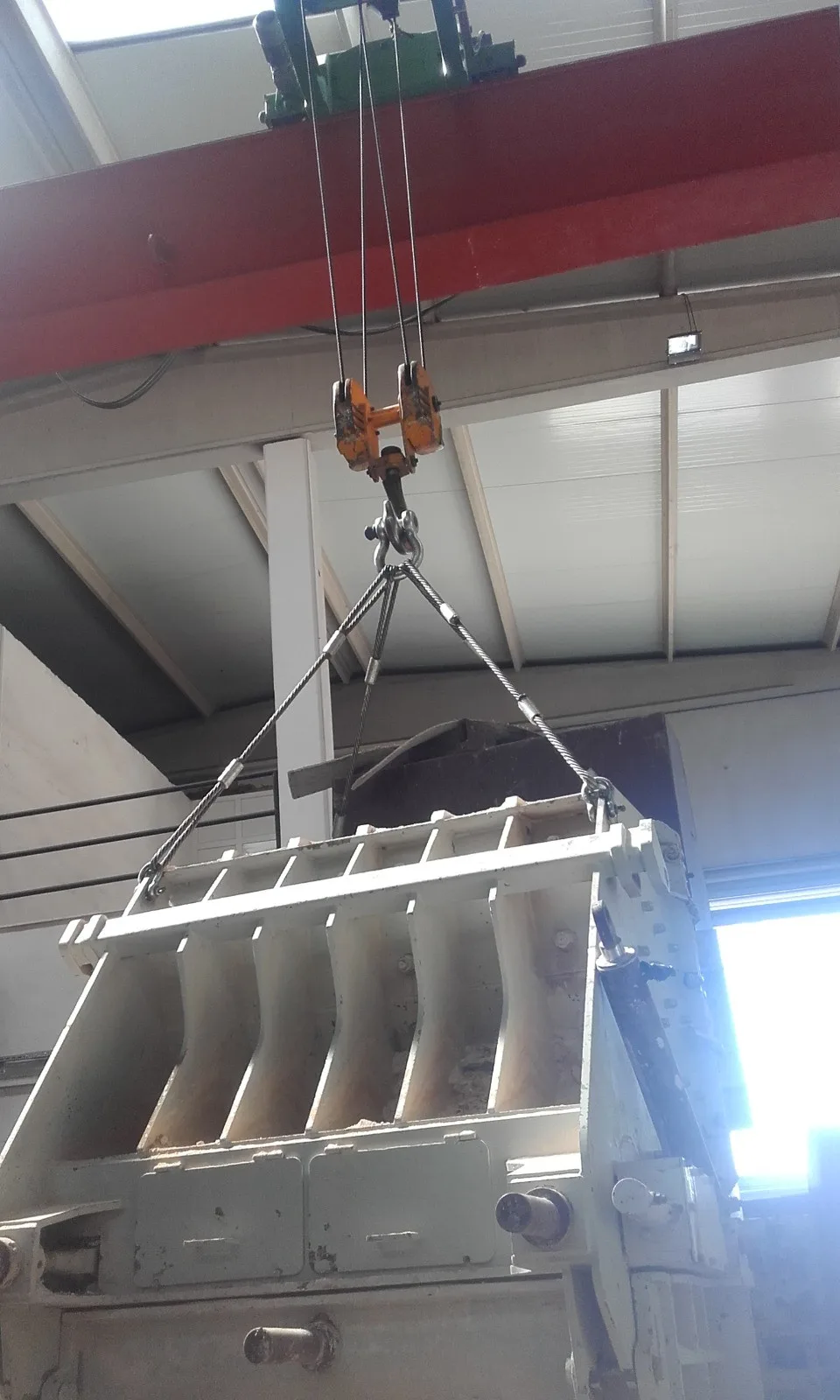
An overhead bridge crane consists of one or two main girders travelling on two runway rails that are fixed to the building columns or to a separate support structure. The bridge travels along the building, the hoist or trolley travels along the girder and the hook lifts the load vertically, so a load can be moved to any point within the runway area.
02 Is an overhead crane the same as a bridge crane?
Yes. Overhead crane, bridge crane, overhead travelling crane and EOT (electric overhead travelling) crane all describe the same type of crane: girders travelling on an elevated runway inside a building. They are further divided into single girder and double girder designs.
03 What is the difference between single girder and double girder overhead cranes?
On a single girder crane the hoist runs suspended from the bottom flange of the girder, giving a lighter structure and lower runway loads. On a double girder crane the trolley travels on rails on top of two girders; it gives more lifting height in the same building and more stiffness for high capacities, wide spans and heavy duty classes. Detailed comparison: Single Girder or Double Girder?
04 What information is needed for an overhead crane quote?
At minimum: the heaviest load to be lifted (capacity), the distance between the runway rails (span), the highest point the hook must reach (lifting height), how often and with which loads the crane will work (duty class) and the operating environment (indoor/outdoor, temperature, dust). You can leave unknown fields blank in the quote form; missing details are clarified with the engineering team.
05 What is the span of an overhead crane and how is it determined?
The span is the distance between the centre lines of the two runway rails the crane travels on. In an existing building the column spacing and rail level are measured on site; for a new building the crane span and wheel loads should be given to the building designer as input.
06 How is the lifting height determined?
Lifting height is the vertical distance between the lowest and highest hook positions. It follows from the height of the tallest part to be handled, the height of the lifting gear (slings, spreader beams) and the obstacles the load must clear. The highest achievable hook position is limited by the building height and the crane type (single or double girder).
07 Why does the duty class of a crane matter?
The duty class describes how intensively the crane is used (operating time, number of cycles) and its load spectrum (how often it works close to full load). Motors, brakes, gearboxes and the steel structure are sized for this class: a maintenance crane used a few times a day and a crane feeding a shift-based production line are not built with the same equipment. Classification follows the groups of standards such as FEM 1.001 and ISO 4301.

